
From Scrap Piece to Perfect Chip: The Sustainable Process Behind Stackable Chips

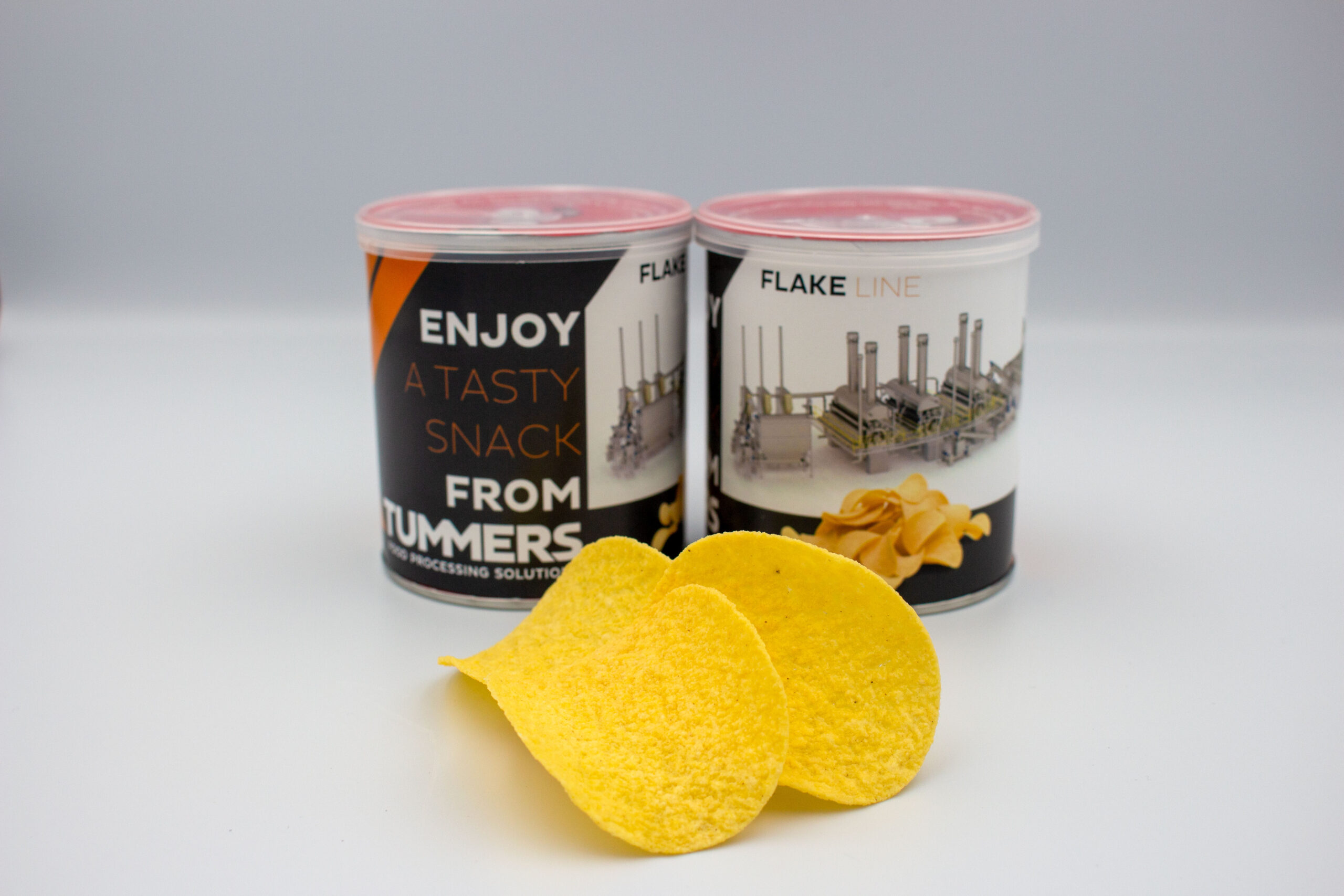
Stackable chips, known from brands such as Pringles, have a distinctive shape: thin, perfectly uniform, and neatly stackable in a tube or tray. But behind this seemingly simple snack lies a surprisingly efficient and sustainable production process. Unlike traditional potato chips, stackable chips are made from the entire potato and/or its remnants, which are first processed into a puree and then ground into a powder. This process makes it possible to utilize the majority of the potato.
Sustainable and Efficient
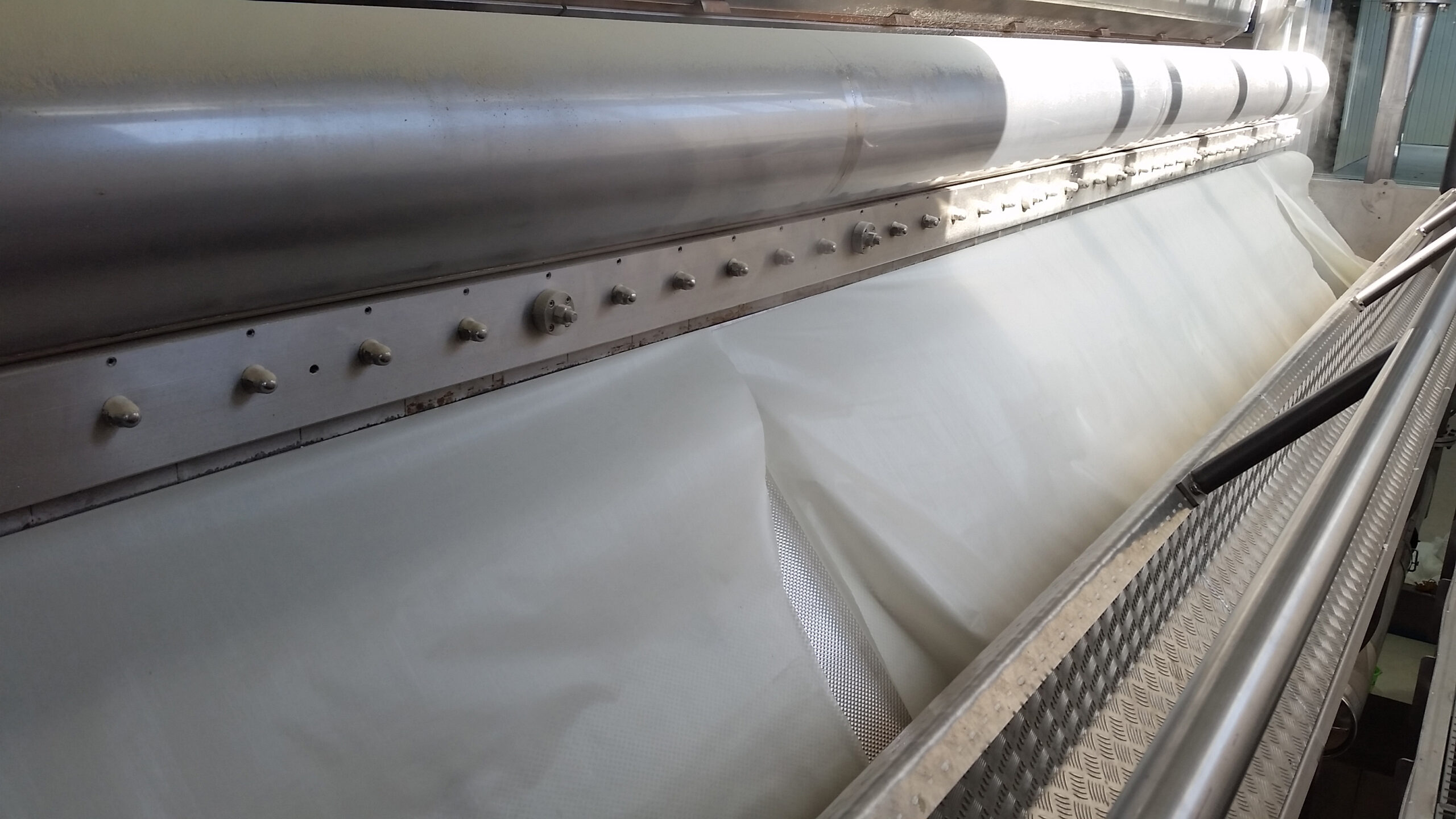
The production of stackable chips clearly illustrates how modern food processing works: efficient, innovative, and increasingly sustainable. By utilizing nearly all parts of the potato and reusing residual streams, waste is minimized and the value of the entire production process increases. Even the residual heat from the energy used in the preceding flake production process can be recovered—partly to supply the plant’s own energy needs and partly to support other processes.

In this way, a leftover piece of potato can ultimately be transformed into a pre-formed chip in a tube — a great example of how a by-product can grow into an A-product.